
In the present context, it goes without saying that plastic waste is an ongoing issue. There is, however, innovative technology to recycle plastic and convert the plastic waste into fuel but the cost is particularly high. One simple way to reduce plastic waste plus lower cost is to self-recycle by distinguishing the right waste type, then clean. Therefore, the plastic waste can then be recycled and made into a new product through melting and forming processes over and over again until its quality decreases. The downgraded recycled plastic can be used as other usable waste such as plant pots or nursery trays. We can help recycle plastic by separating the right type of waste according to the recycling symbols under the plastic packaging on our every day’s plastic usage as follows. If we altogether cooperate, we can simply create good environment.

In the discussion of plastic packaging
we may somehow recognize numerous benefits of the usage as in shape such as plastic box or plastic bottle, or as in feature such as clear and opaque plastic which extract all benefit, we can think of in addition to plastic packaging has more of the benefits
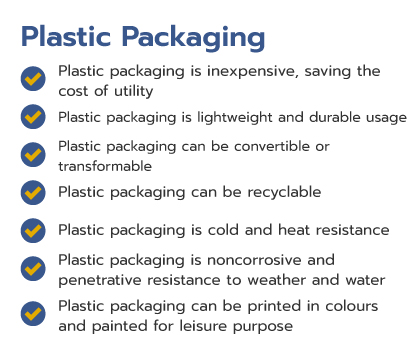
Benefits of Plastic Packaging
- Cost-effective and helps reduce packaging costs
- Lightweight and durable for everyday use
- Can be processed and manufactured into a wide variety of packaging formats
- Some types of plastic can be reused multiple times when appropriate
- Available in types suitable for both hot and cold applications
- Helps protect against moisture, air, and water depending on the properties of the material
- Can be printed or decorated to enhance the appearance of the packaging
Is Plastic Packaging Safe for Food?
Plastic can be safely used for food packaging when choosing Food Grade plastic packaging made from materials suitable for food contact and using it according to the properties of each type of plastic. Different types of plastic have different properties in terms of heat resistance, cold resistance, and suitability for different types of food. Therefore, it is important to check the type of plastic and follow the recommended usage instructions before using it for food packaging.
Plastic Packaging and Recycling
In the present context, it goes without saying that plastic waste is an ongoing issue. There is, however, innovative technology to recycle plastic and convert the plastic waste into fuel but the cost is particularly high. One simple way to reduce plastic waste plus lower cost is to self-recycle by distinguishing the right waste type, then clean. Therefore, the plastic waste can then be recycled and made into a new product through melting and forming processes over and over again until its quality decreases. The downgraded recycled plastic can be used as other usable waste such as plant pots or nursery trays. We can help recycle plastic by separating the right type of waste according to the recycling symbols under the plastic packaging on our every day’s plastic usage as follows. If we altogether cooperate, we can simply create good environment.
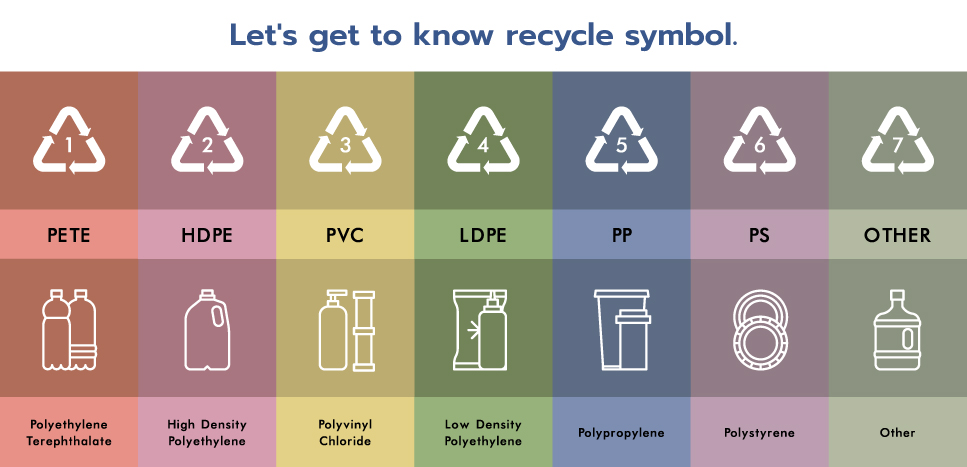
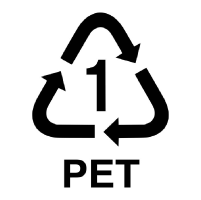
Number 1 : Polyethylene Terephthalate (PET) is usually utilized as one-time food and drink packaging such as bottle of water, refreshments and bottle of beer.

Number 2 : High-Density Polyethylene (HDPE) is usually utilized as plastic bag, bottle of water and bucket of water.
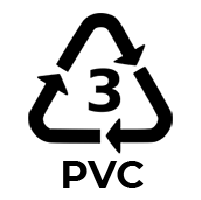
Number 3 : Polyvinyl Chloride (PVC) is usually utilized as pipe, artificial leather bag and PVC door.
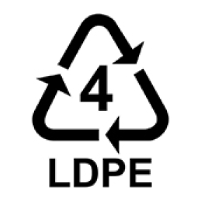
Number 4 : Low-Density Polyethylene (LDPE) is usually utilized as cold and frozen packaging.

Number 5 : Polypropylene (PP) is usually utilized as microwave packaging.

Number 6 : Polystyrene (PS) is usually utilized as foam, box, cup and plate.

Number 7 : Other plastic (OTHER) or the packaging made from various elements.
Frequently Asked Questions About Plastics for Food Packaging
Q: Is plastic safe for food packaging?
A: Yes, when using plastic that is suitable for food contact and following the recommended usage for each type of plastic. It is important to check the material type, temperature resistance, and usage instructions before using it for food packaging.
Q: What is Food Grade plastic packaging?
A: Food Grade plastic packaging is packaging made from materials suitable for food contact. The type of plastic and its intended use should be selected according to the type of food being packaged.
Q: What types of plastic can be used for food packaging?
A: Several types of plastic can be used for food packaging, such as PET, PP, and other plastics depending on the intended application. Each type has different properties and limitations, so it should be selected according to the type of food and the required temperature range.
Q: Can all plastic containers be used in a microwave?
A: No. Different types of plastic have different levels of heat resistance. For microwave use, choose packaging that is specifically indicated as microwave-safe.